
sandblasting tempered glass
The Piston Lift Check Valve A Vital Component in Engine Efficiency In the intricate world of internal combustion engines, every component plays a crucial role in determining its overall performance and efficiency. One such integral part is the piston lift check valve, a seemingly small yet significantly impactful device that ensures smooth operation and prevents unwanted backflow within the engine's valvetrain. The primary function of the piston lift check valve is to regulate the flow of oil from the camshaft to the lifters. These lifters, in turn, are responsible for actuating the engine's valves, which open and close at precise intervals to allow the combustion process to occur. By controlling the flow of oil, the check valve helps maintain the correct oil pressure within the valvetrain, ensuring that the lifters can operate effectively without any interruptions or leaks. One of the key benefits of the piston lift check valve is its ability to prevent oil from flowing backward during the compression stroke. When the piston is moving upward, it creates a vacuum within the cylinder, which could potentially draw oil back into the valvetrain if not properly regulated. The check valve acts as a one-way barrier, allowing oil to flow forward but preventing it from flowing back, thus maintaining the necessary oil pressure and preventing premature wear on the valves and other valvetrain components The check valve acts as a one-way barrier, allowing oil to flow forward but preventing it from flowing back, thus maintaining the necessary oil pressure and preventing premature wear on the valves and other valvetrain components The check valve acts as a one-way barrier, allowing oil to flow forward but preventing it from flowing back, thus maintaining the necessary oil pressure and preventing premature wear on the valves and other valvetrain components The check valve acts as a one-way barrier, allowing oil to flow forward but preventing it from flowing back, thus maintaining the necessary oil pressure and preventing premature wear on the valves and other valvetrain components piston lift check valve . Another significant advantage of this valve is its durability and reliability. Made from high-quality materials and designed to withstand the extreme conditions within an engine, the check valve is built to last for the lifetime of the vehicle. Its simple design also means that it is relatively easy to maintain and replace if necessary, further adding to its cost-effectiveness. In conclusion, the piston lift check valve is a vital component in the efficient operation of an internal combustion engine. Its ability to regulate oil flow, prevent backflow, and ensure proper valvetrain function makes it an essential part of any vehicle's engine. By investing in high-quality check valves and maintaining them regularly, vehicle owners can enjoy improved engine performance, reduced wear and tear, and longer lasting engines.
about
sandblasting tempered glass
Understanding the Main Water Valve A Homeowner's Guide Water is one of the essential elements of modern living, providing comfort and convenience in our daily routines. However, this precious resource comes with a significant responsibility—managing it properly within our homes. One of the critical components in managing your home's water supply is the main water valve. Understanding its function, location, and how to operate it can save you from potential disasters and help maintain the integrity of your plumbing system. What is the Main Water Valve? The main water valve is the primary shutoff valve that controls the supply of water entering your home from the municipal water system or your private well. It is typically located near where the water line enters your home, which is often in the basement, crawlspace, or outside near the foundation. This valve is fundamental for managing water flow in your home, whether you are facing a plumbing emergency, conducting maintenance, or preparing for seasonal changes. Importance of the Main Water Valve 1. Emergency Situations In the event of a burst pipe, a malfunctioning appliance, or any plumbing emergency that leads to excessive water leakage, being able to quickly access and turn off the main water valve is crucial. It can prevent water damage, mold growth, and costly repairs. 2. Plumbing Repairs When performing plumbing repairs or upgrades, it's essential to shut off the main water supply to avoid flooding or water spillage. This allows for safe and efficient work without the pressure of running water. 3. Seasonal Maintenance Homeowners in colder climates need to be particularly mindful of their main water valve during winter months . Turning off the main water supply and draining the pipes can help prevent freezing and bursting of pipes caused by extreme cold. Locating Your Main Water Valve Finding your main water valve is an important step every homeowner should take. Generally, it is situated main water valve - Indoors In basements, crawlspaces, or near the water heater. Look for a round or oval-shaped valve that can be turned to the right (clockwise) to shut off the water. - Outdoors Sometimes, it is located outside the house at the foundation, often in a small, covered box at ground level. You may need a special tool or a wrench to access it if it is buried. How to Operate the Main Water Valve Operating the main water valve is a straightforward process. Here’s a step-by-step guide 1. Locate the Valve Follow your plumbing lines to find where the main supply enters your home. 2. Inspect the Valve Type There are usually two common types of valves—gate valves and ball valves. Gate valves have a round handle that you turn. Ball valves typically have a lever handle that you can switch on and off. 3. Shutting Off the Water - For a gate valve, turn the handle clockwise until it stops. Avoid forcing it if it feels stuck; apply lubricant if necessary. - For a ball valve, turn the lever perpendicular to the pipe direction to close it. Make sure it’s fully turned to avoid leaks. 4. Check for Leaks After you’ve shut off the water, inspect for any residual leaks or drips in your plumbing fixtures. 5. Regular Maintenance It's advisable to exercise the valve periodically (at least once a year) to ensure it’s working correctly. This can also prevent it from becoming stuck due to lack of use. Conclusion The main water valve plays an essential role in protecting your home’s plumbing and ensuring the efficient management of water. Understanding its location, how to operate it, and the importance of regular maintenance can safeguard your home from water-related issues. As a responsible homeowner, familiarize yourself with this essential component of your plumbing system, and ensure that you’re prepared for any situation that may arise. By doing so, you not only protect your property but also contribute to the responsible use of one of our most valuable resources—water.
-

High quality industrial productsagement

High quality industrial products
View Details -

Meet the diverse needs of customers

Meet the diverse needs of customers
View Details -

Strict quality control

Strict quality control
View Details -

Top raw materials

Top raw materials
View Details -

Trusted supplier

Trusted supplier
View Details
Our application


news and information

Ventile de grille de 18 pouces
La vanne de portail de 18 pouces un élément clé pour la gestion des fluides Les vannes jouent un rô
water main shut off valves
Water main shut off valves play a critical role in maintaining the health and efficiency of any resi
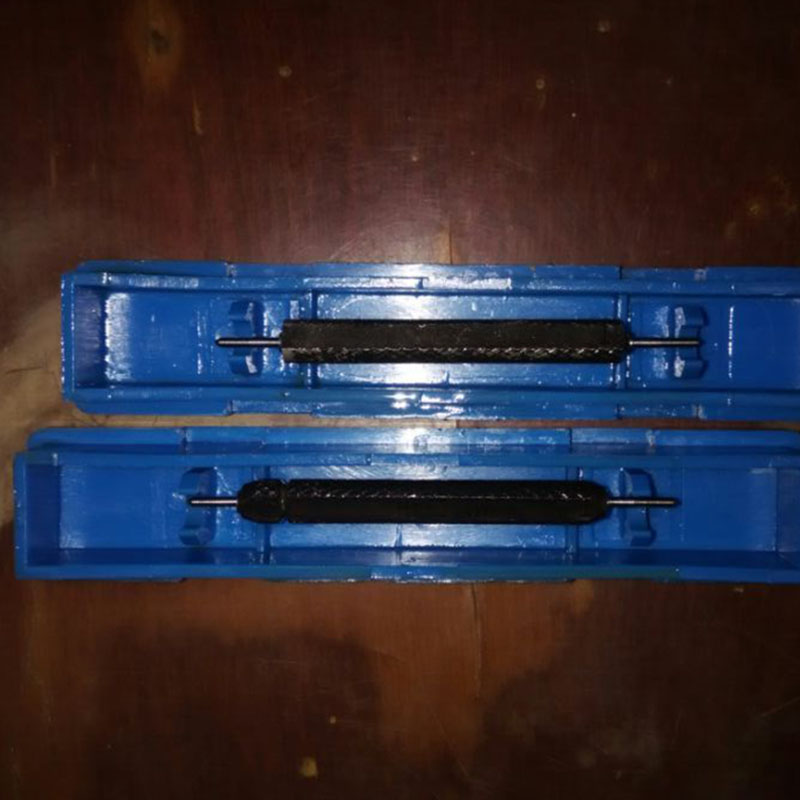
Using a Level to Accurately Mark Measurements on a Ruler
The Importance of Marking Rulers with Spirit Levels The Importance of Marking Rulers with Spirit Lev
 English